


Control humidification in your home for maximum comfort
Discussion of the design of your home’s HVAC system should include controlling the moisture levels appropriate to the local climate. The addition of moisture or humidification may be required in colder climates during winter. Additionally, moisture can be removed (dehumidification) during the summer. Extreme warm climates may require additional dehumidification beyond what your air conditioner can provide.
To learn more, call: (800) 644-6400
Winter Humidification
Relative humidity (RH) is the percent of moisture in the air compared to the maxi-mum amount of moisture this air can hold at the same condition. Warm air will hold more moisture than cold air. As cold ventilation air mechanically or naturally (by infiltration) enters your home, it can be drier than the driest desert and seriously lower the humidity levels. Additionally, the psychrometrics of air show us that at 70°F air can hold about 12 times as much moisture as 10°F air. Additionally, when 10°F outside air is heated to 70°F the humidity level goes from 70% to 7%. Normal household functions (such as cooking, showering, laundry) also have an impact on the relative humidity in your home.
Furthermore, dry air tends to pull moisture from the wood and homes furnishings. The effects of bacteria, viruses, fungi, respiratory infections, allergic rhinitis and asthma, and ozone production can be minimized by higher humidity levels. Studies have shown that wintertime operation at 68°F/60% RH provides the same level of occupant comfort as does 72°F/ 30% RH; so lower utility bills also result with additional moisture in your home.
Additionally, automatic, computer-controlled humidifiers can control the humidity levels in your home, providing enough moisture for a healthy comfortable home and within the limits to prevent window and cold surface condensation.
Summer Dehumidification
High moisture levels result in occupant discomfort and annoyances. Also, possible serious health issues can arise as they relate to bacteria, viruses, fungi, mites (dust mites and mold), allergic rhinitis and asthma. Studies show that summertime operation at 78A°F / 30% RH provide the same level of occupant comfort as does 74A°F / 70% RH. This lower humidity level will provide increased comfort; lower utility bills and less risk of the above health issues associated with high humidity.
Moreover, your air conditioning system and/or stand-alone dehumidifier are designed to remove moisture (latent load) and decrease the RH levels in your home. In humid areas of the country however, your air conditioner or dehumidifier may not be capable of lowering the levels below 60% RH. In such cases, Trademasters may suggest alternative equipment and control strategies that include staging, by-pass, reheat or whole house ventilation/dehumidification approaches.
Such systems can provide real comfort and greatly reduce aggravations and health issues associated with high humidity.
Additionally, the design of your heating and cooling system requires more than the installation of a furnace/boiler and air conditioner. A Trademasters expert understands the building science and design principles to bring real comfort and a healthy indoor environment to your home.
Understanding humidification and proper humidity levels
Finally, moisture levels play an important role in providing comfort. When humidity levels are not properly maintained and controlled, aggravating discomforts, health issues and damage to your home and it’s furnishings can result. Call Trademasters to discuss humidification in your home. Our experts can give you a better understanding the design and comfort of a Heating Ventilation and Air Conditioning (HVAC) system.
Related blogs
View All blogs
June 6, 2024
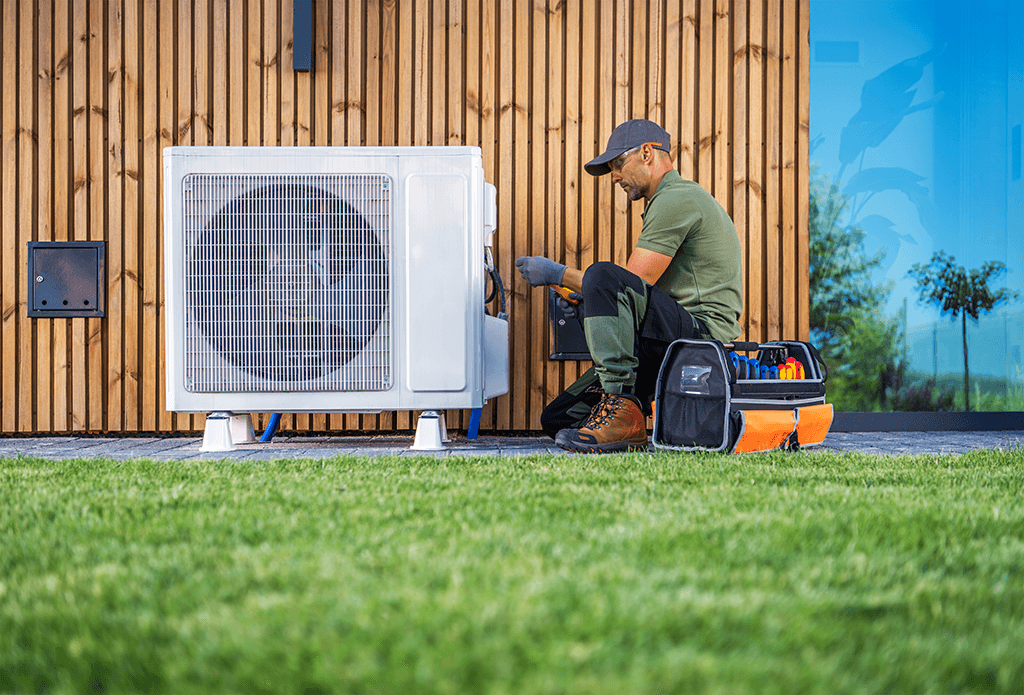
Is Your Air Conditioning System Ready for Warmer Weather?
Now that the warmer weather has returned and summer is on its way, many people are starting to think about the sunny days ahead. It’s that time of year when people enjoy spending time outdoors having fun in the sun... and returning to a cool, comfortable home at the end of the day. That’s why it’s so important to make sure your home’s air conditioning system is ready for summer before the heat sets in.
September 13, 2024
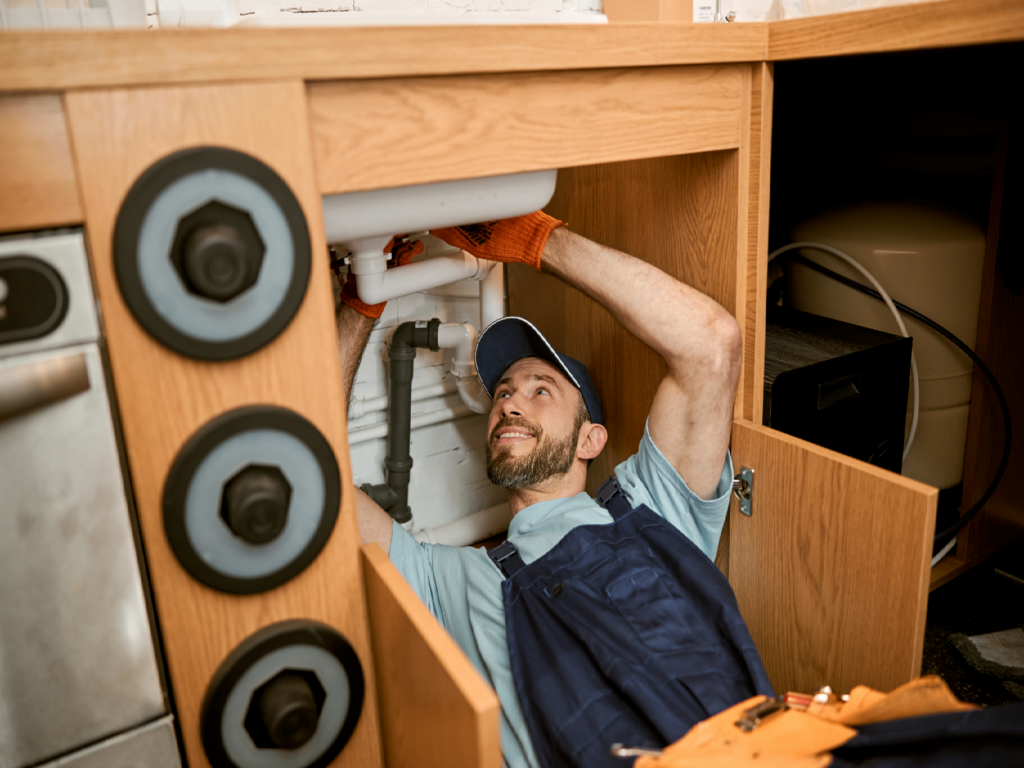
The Importance of Regular Plumbing Maintenance to Avoid Costly Repairs
Maintaining a functional plumbing system is essential for the well-being of any household or business. Neglecting your plumbing can lead to inconvenient and costly repairs. This is where plumbing preventive maintenance comes into play, offering a proactive approach to keep your plumbing in top shape.
January 4, 2025

5 Signs Your Air Conditioning System May Need Repair
Almost everyone looks forward to sunny, warm summertime weather, but most people don’t want to think about their air conditioning systems breaking down when the outside temperatures are on the rise. Unfortunately, when the weather is at its hottest is when your home’s air conditioning system may start to struggle. That’s because it’s working harder than usual to keep your home cool and comfortable. As a result, small problems with your air conditioning system can become bigger ones once a heatwave strikes.
View All blogs
Open Your Door
to Excellence
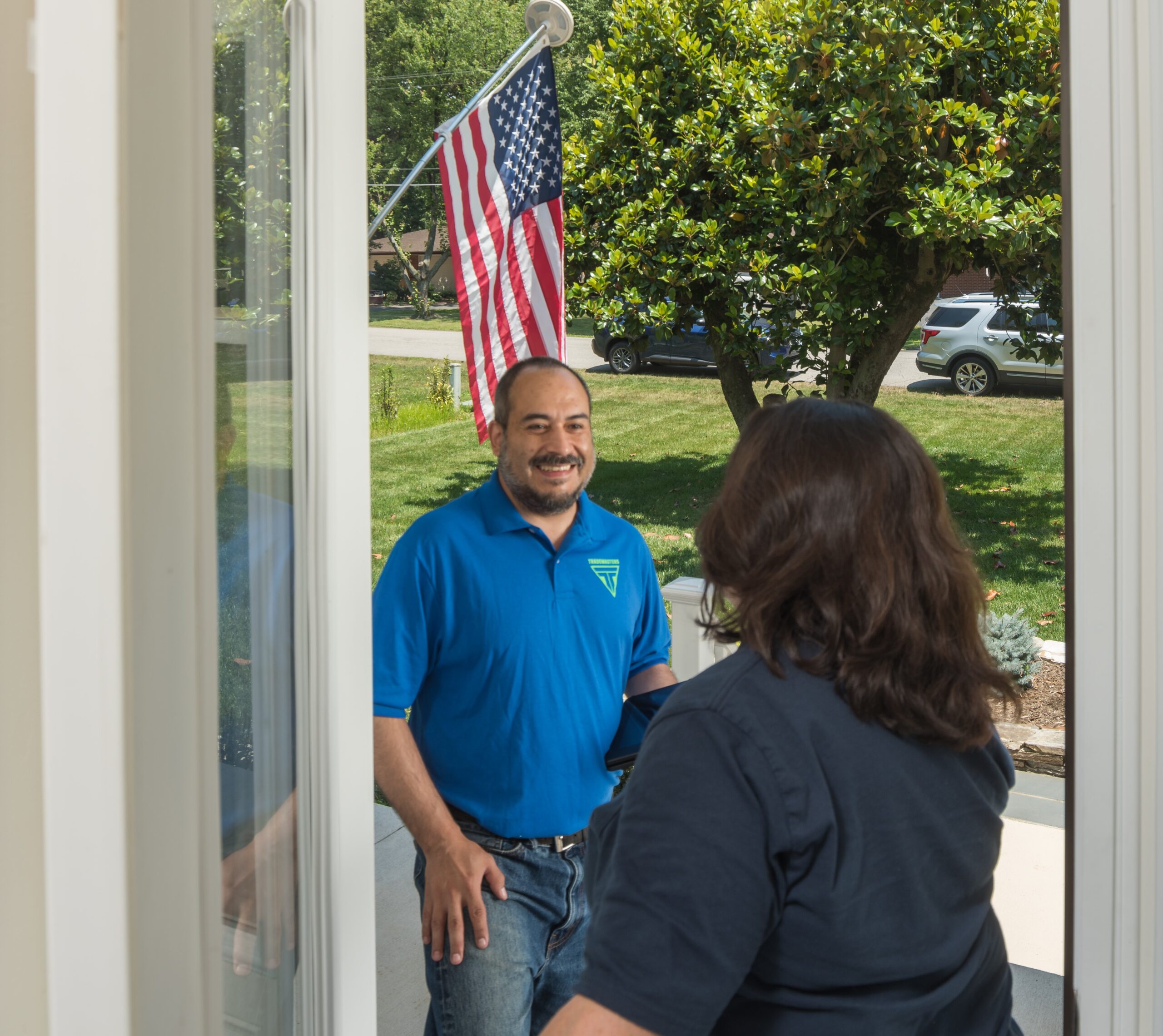
Experience security and confidence like never before in your home services journey. Our groundbreaking approach allows homeowners to proactively plan, shop, and browse for the convenience of their laptop or phone. Gone are the days of unreliable contractors and shoddy workmanship. Enjoy peace of mind with a Trademasters’ membership. Open your door to collaboration, transparency, and professionalism. Open your door to a Trademasters membership.
Join now
The Trademasters Opportunity